

Between Us
Tonochi's oral care journal
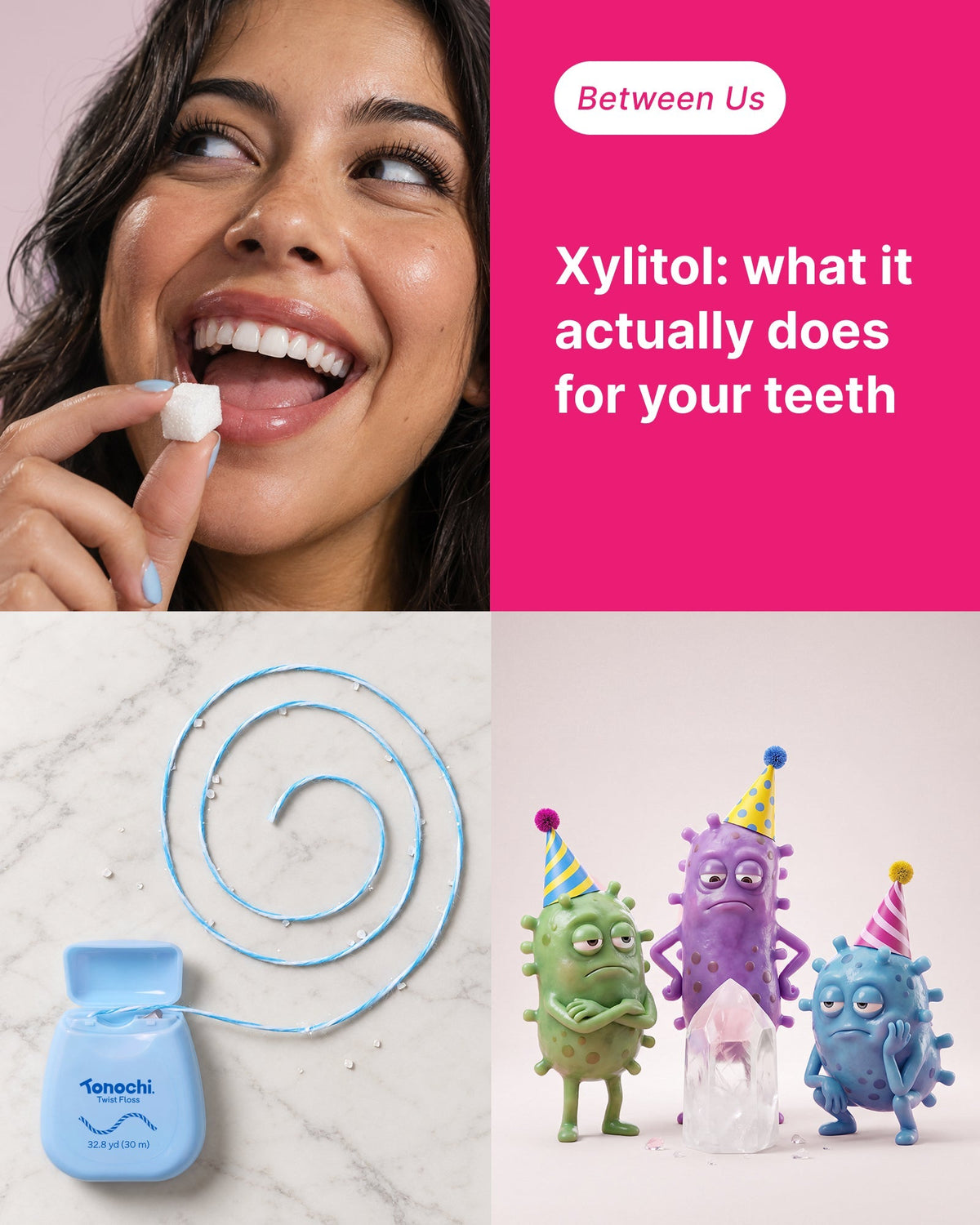
Xylitol: what it actually does for your teeth
Xylitol looks like sugar but starves the bacteria that cause cavities. Here's how it works and why it turns up in floss, gum and toothpaste.
Read more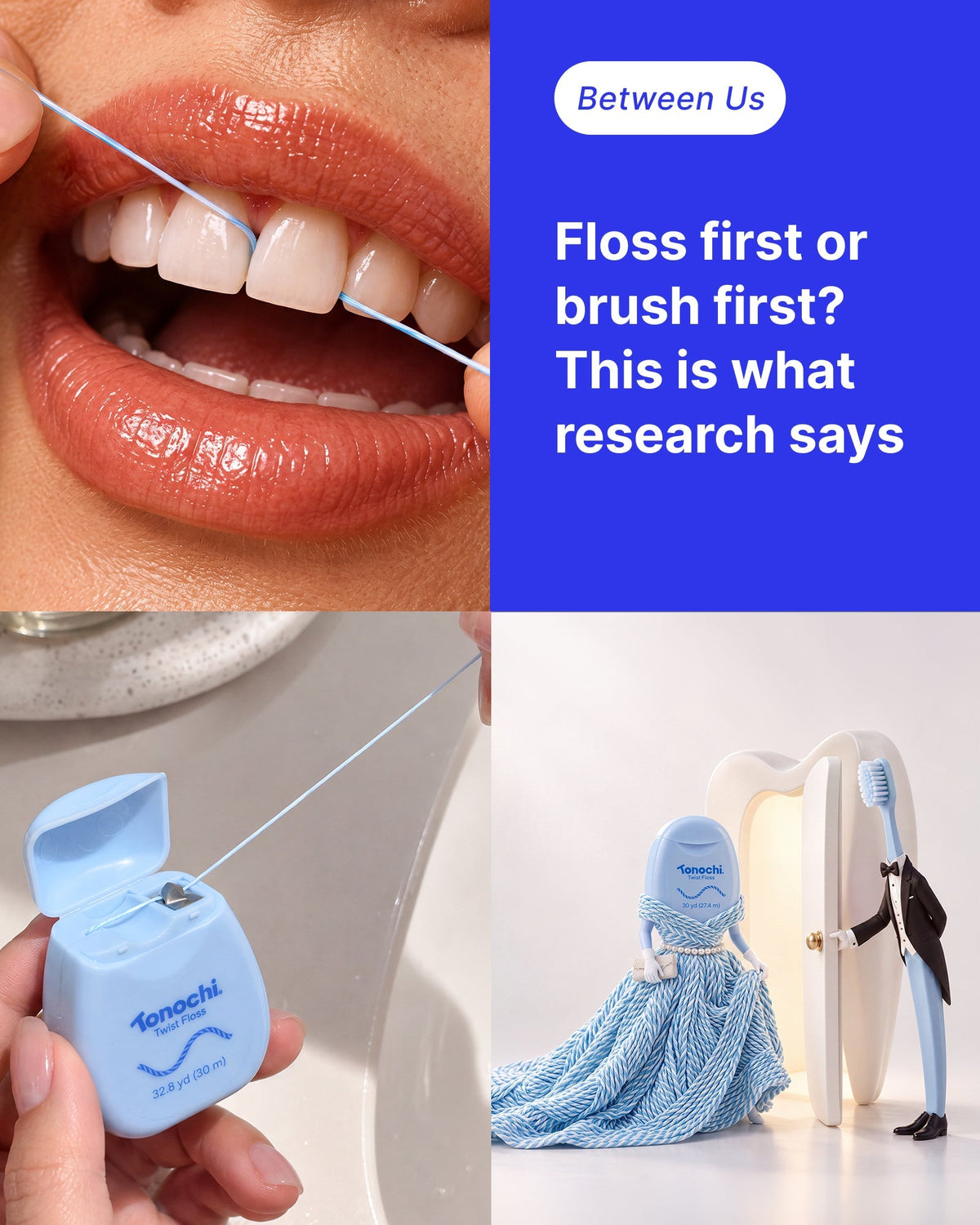
Floss first or brush first? What research says
Most people brush first and floss afterwards. Research suggests the opposite order removes more plaque and leaves more fluoride where it counts, between the contacts.
Read more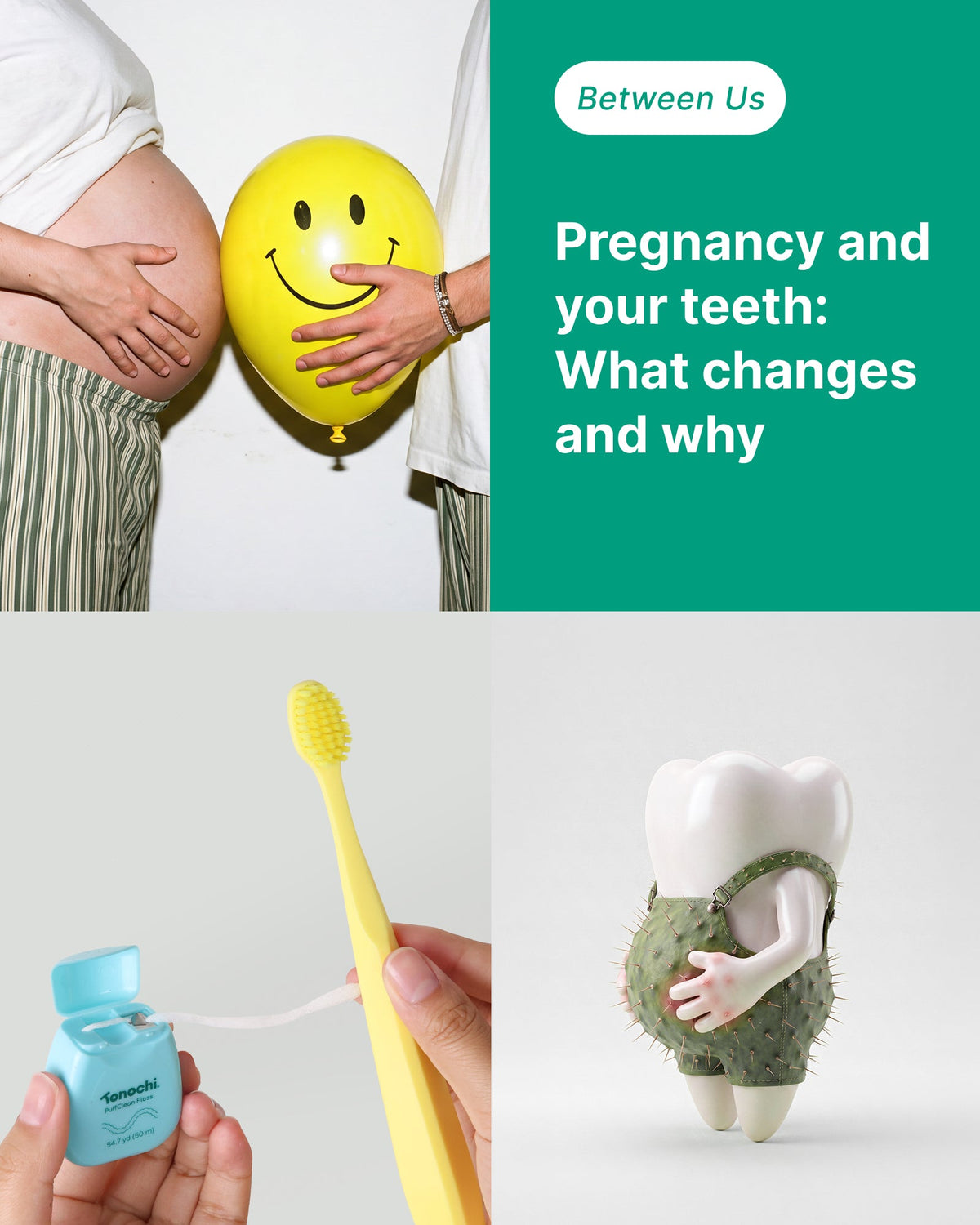
Pregnancy and your teeth: what changes and why
Pregnancy hormones can cause swollen, tender gums in up to 75% of pregnant women. Here's why it happens and how to manage it gently.
Read more
Wisdom teeth and the space problem
Wisdom teeth often lack the room to come in properly, leading to pain, impaction, or crowding. Here's why they cause trouble and what to watch for.
Read more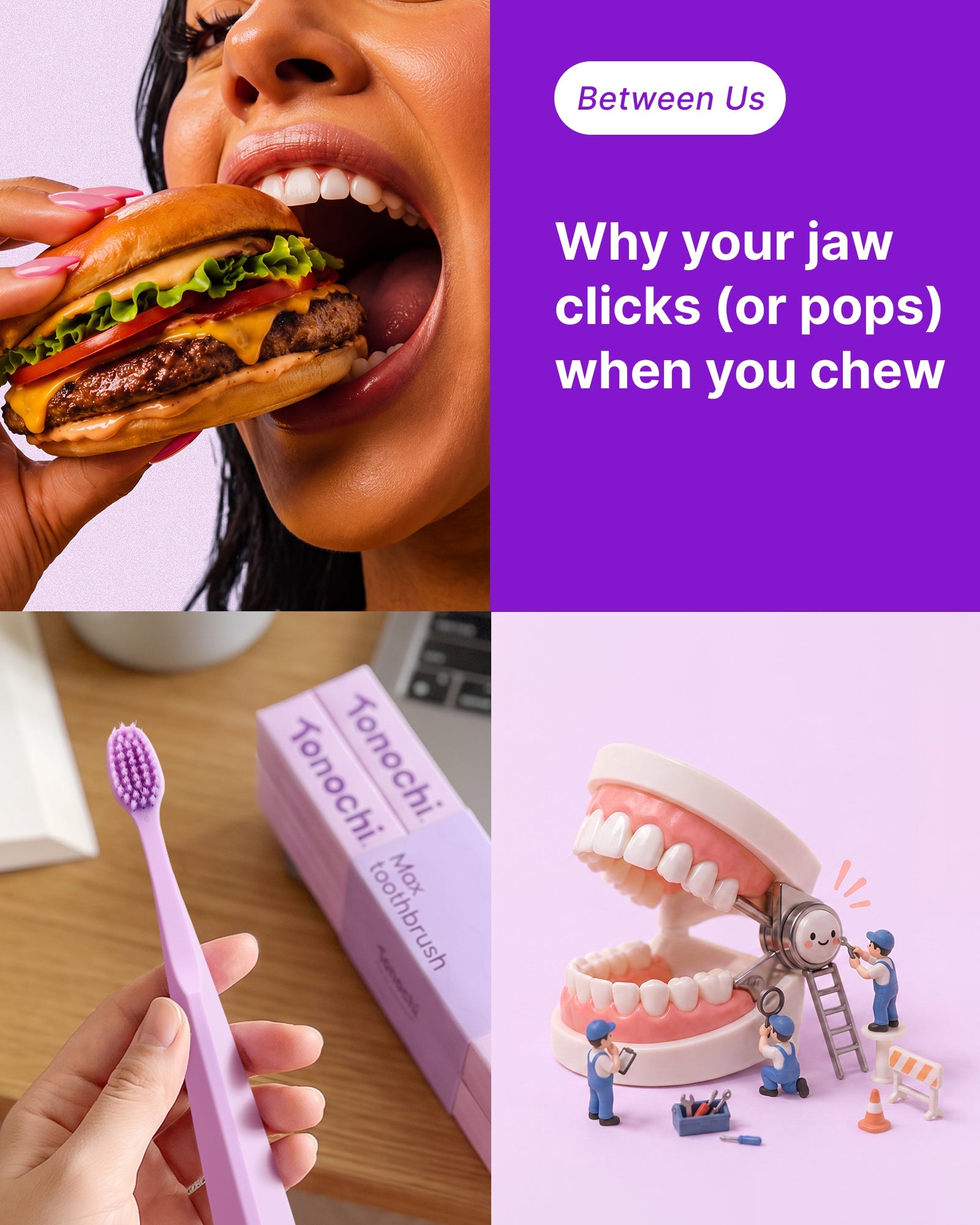
Why your jaw clicks (or pops) when you chew
That click or pop in your jaw usually comes from the TMJ, the hinge connecting your jaw to your skull. Here's when it's harmless and when it's worth mentioning to your dentist.
Read more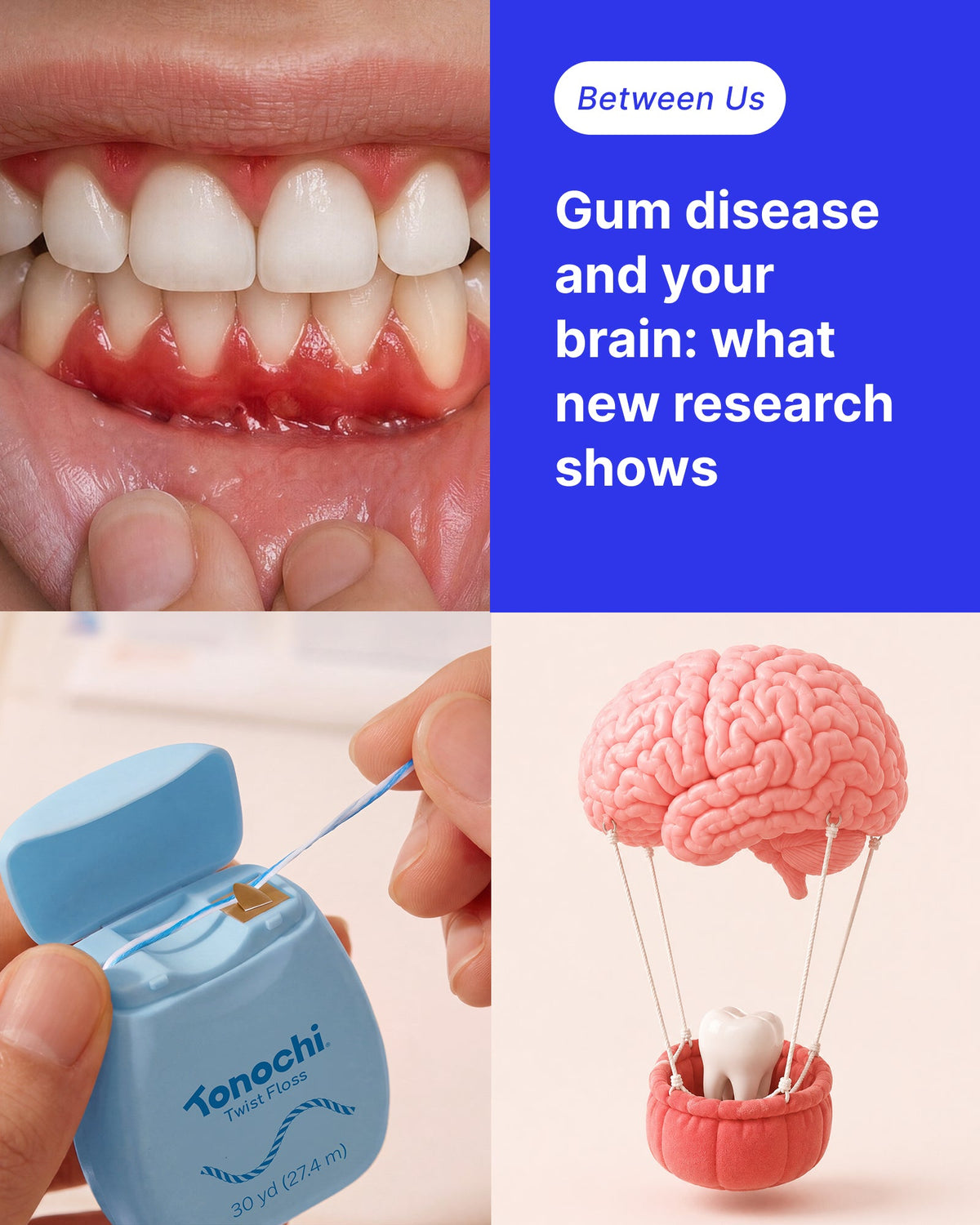
Gum disease and your brain: what new research shows
A 2024 meta-analysis found that gum disease increases dementia risk by 22% and cognitive decline by 33%. Oral care may protect more than your teeth.
Read more
The surprising link between diabetes and gum disease
Gum disease and diabetes fuel each other in both directions. Here's how they're connected, and why caring for your gums can help control blood sugar.
Read more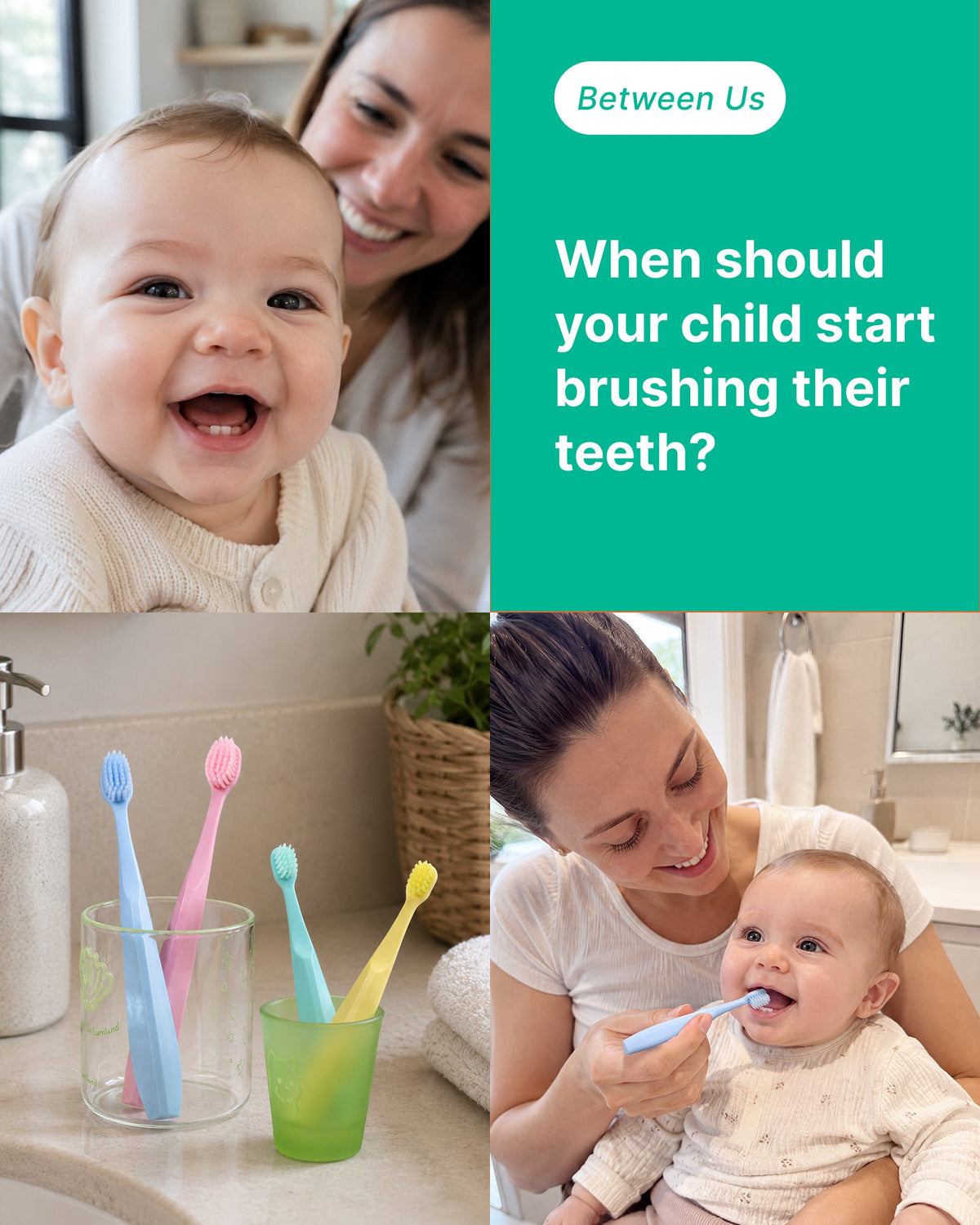
When should your child start brushing their teeth?
Brushing should start the moment your child's first tooth appears, usually around 6 months. Here's how the routine should grow as they do.
Read more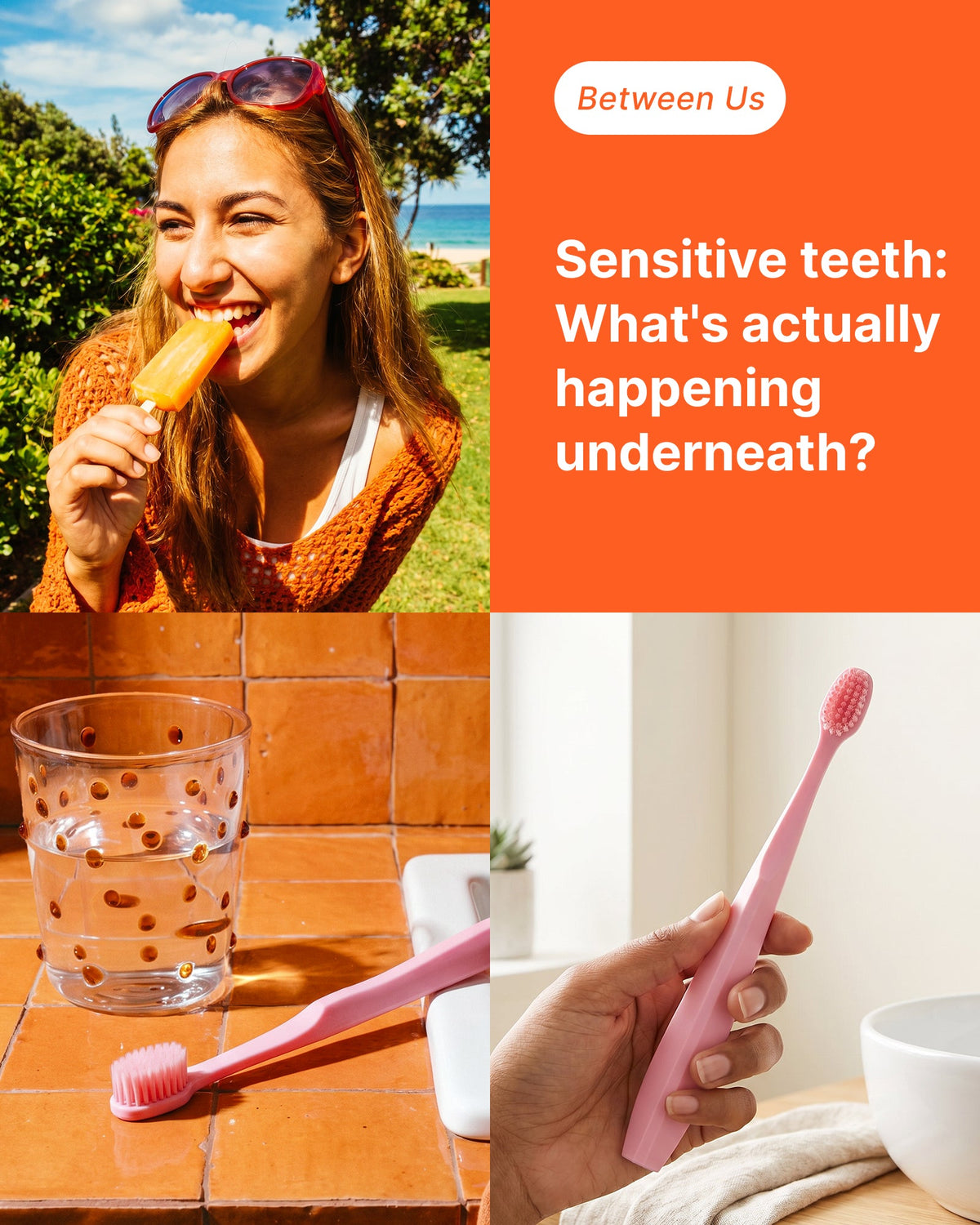
Sensitive teeth: what's actually happening underneath
About 1 in 8 adults deals with sensitive teeth. Here's what's actually happening beneath the enamel and how to find relief.
Read more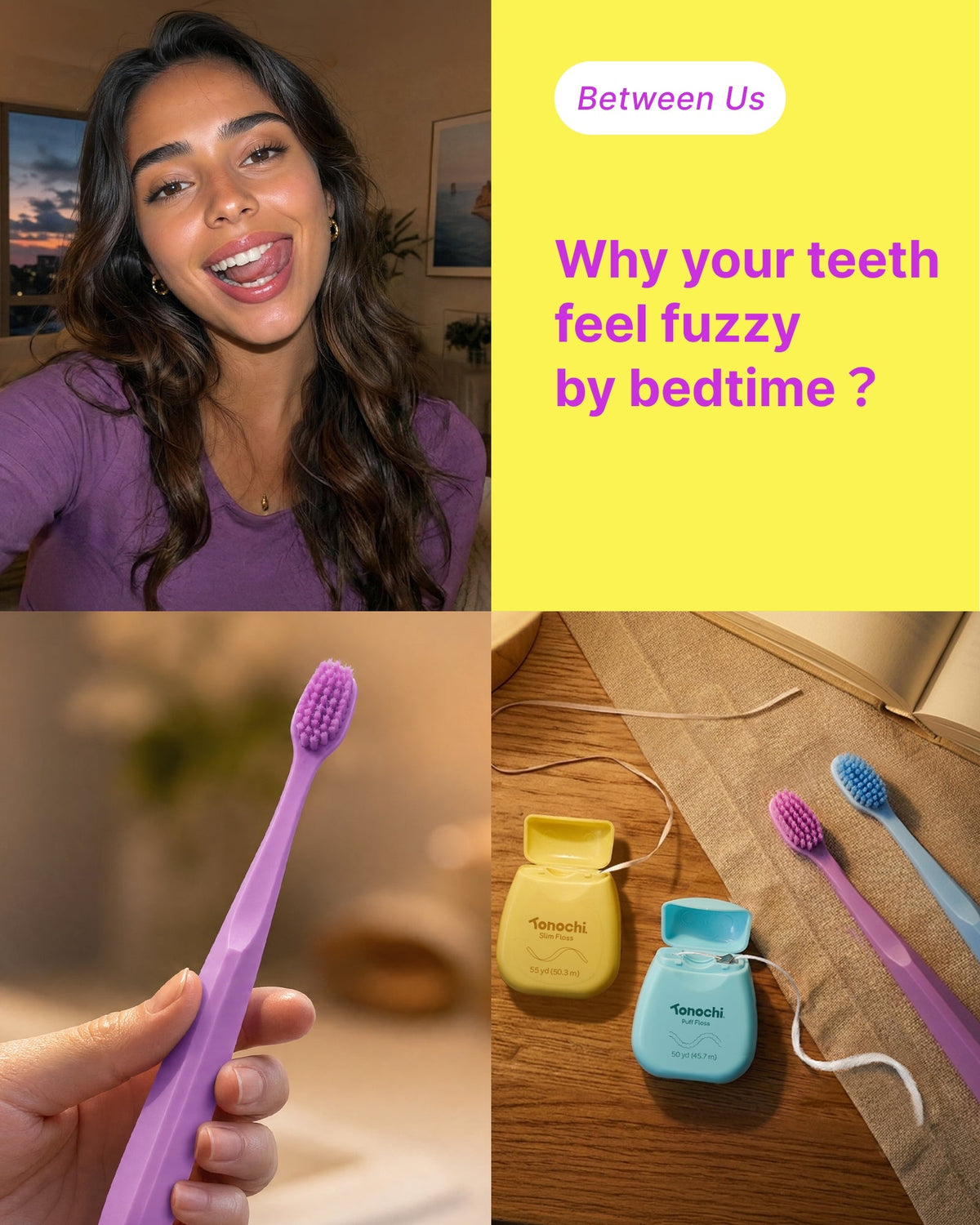
Why your teeth feel fuzzy by bedtime
That fuzzy feeling on your teeth by bedtime is biofilm, a natural buildup of bacteria. Here's why it happens and why nighttime brushing matters so much.
Read more